What Is Garam Masala? A Beginner Friendly Guide
If you’ve cooked (or eaten) Indian food, chances are you’ve heard of garam masala. It shows up at the end of recipes, sprinkled over curries, mixed into marinades, or stirred into rice—and it smells incredible. But what exactly is it, and why is it used so differently from other spice mixes?
What Is Garam Masala?
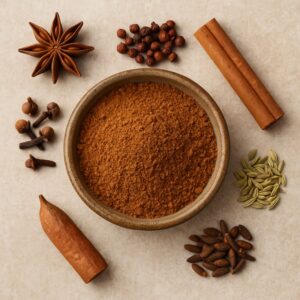
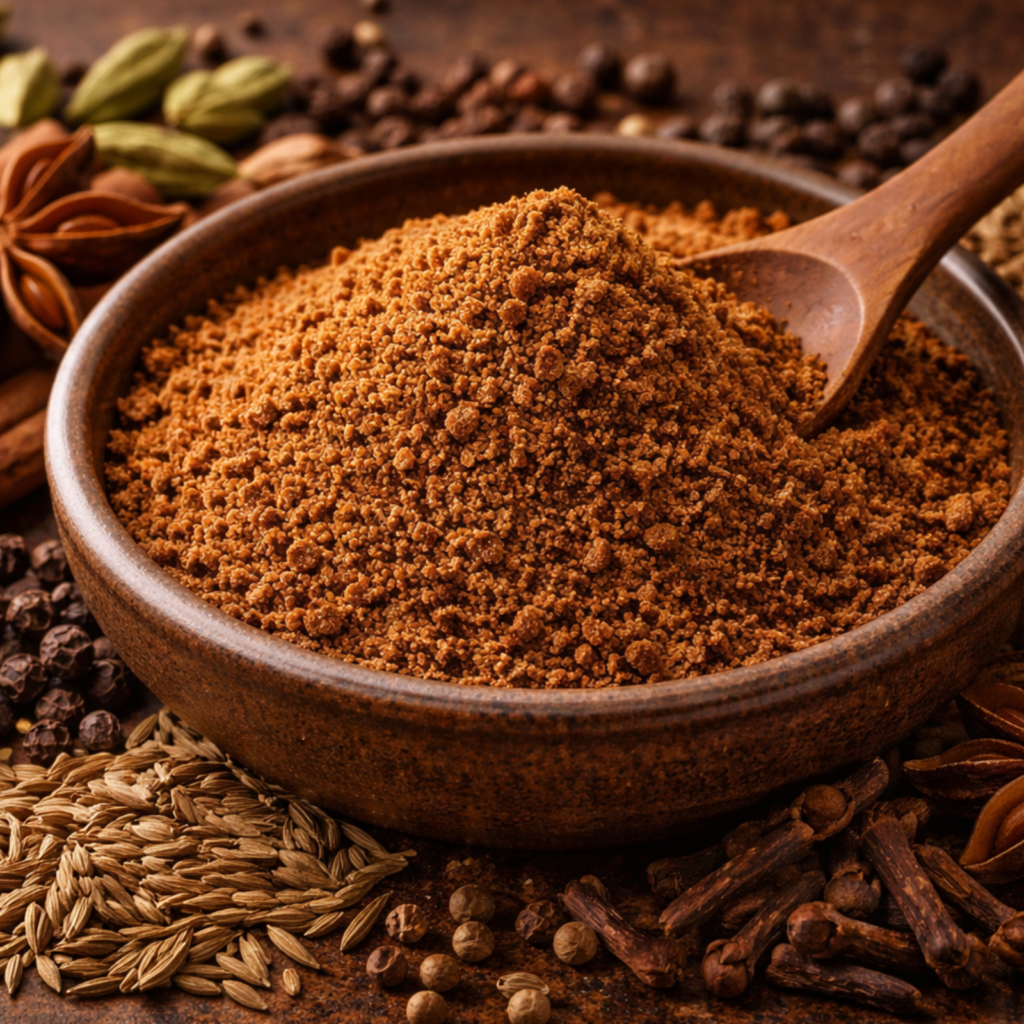
Garam masala is a traditional Indian spice blend made from warming spices that are typically toasted and ground together to create a deeply aromatic mix. The word garam means “warm” not spicy hot, while masala simply means “spice blend,” so garam masala literally translates to “warming spice blend.” It is designed to add aroma and depth to dishes, enhance overall flavor without overpowering other ingredients, and is usually used in small amounts, often added toward the end of cooking. Unlike many seasoning mixes that focus on heat, garam masala is all about fragrance, balance, and a layered, comforting warmth.
What Spices Are in Garam Masala?
There is no single universal recipe. Garam masala changes by:
- Region
- Family tradition
- Dish being cooked
That said, most blends include a core group of spices.
Common Garam Masala Ingredients
- Cinnamon or cassia – warmth and sweetness
- Cardamom (green and/or black) – floral, aromatic notes
- Cloves – deep, warming spice
- Cumin seeds – earthy foundation
- Coriander seeds – mild citrusy balance
- Black peppercorns – gentle heat
Optional additions may include:
Each spice plays a role, but the goal is always the same: warmth, aroma, and harmony.
How Is Garam Masala Made?
Garam masala is traditionally made by gently toasting whole spices such as cumin, coriander, cardamom, cloves, and cinnamon to release their natural oils and aroma. Once toasted, the spices are allowed to cool and then ground into a fine powder, either using a stone grinder, mortar and pestle, or a modern spice grinder. This method helps preserve the warm, fragrant character of the spices.
What makes garam masala unique is that the exact combination and proportions vary by region, household, and even the dish being prepared. Some blends are lighter and more aromatic, while others are deeper and more intense. In all cases, the goal is the same: to create a balanced spice blend that adds warmth and aroma without overpowering the dish.
Simple Homemade Garam Masala Recipe
A classic beginner blend:
- 2 tbsp coriander seeds
- 1 tbsp cumin seeds
- 1 tbsp cardamom pods
- 1 tsp cloves
- 1 small cinnamon stick
- 1 tsp black peppercorns
Lightly toast, cool, grind, and store in an airtight jar.
How Is Garam Masala Different From Curry Powder?
Although they are often grouped together, garam masala and curry powder serve very different roles in cooking. Garam masala is a traditional Indian spice blend that is used in small amounts, usually added toward the end of cooking to boost aroma and warmth without overpowering the dish. It is focused on fragrance and balance and does not traditionally include turmeric. Curry powder, by contrast, is a Western-created blend meant to act as a primary seasoning. It is typically added early in cooking and often contains turmeric, which gives it a bold, savory flavor and distinctive color. In simple terms, garam masala enhances and finishes a dish, while curry powder helps build the base flavor.
How to Store Garam Masala
To keep it fresh:
- Store in an airtight glass container
- Keep away from heat and sunlight
- Use within 6–12 months for best aroma
Whole spices last longer than ground blends.
Final Thoughts: Why Garam Masala Belongs in Your Kitchen
Garam masala isn’t just another spice blend, it’s a finishing touch that can transform an ordinary dish into something deeply fragrant and satisfying. When used correctly, it adds warmth without heat, enhances aroma, and brings balance to flavors without overpowering other ingredients. Its versatility allows it to work across a wide range of cuisines and dishes, from traditional Indian curries to roasted vegetables, rice, and even soups.