What Is 5 Spice Powder? A Beginner Friendly Guide
What Is 5 Spice Powder? If you enjoy Asian cuisine especially Chinese, Taiwanese, or Vietnamese dishes—you’ve probably seen the term “5 Spice Powder” in recipes. It sounds mysterious, bold, and flavorful… but what exactly is it?
This guide breaks it down in the simplest possible way. No complicated chef terms. No confusing culture notes. Just a clear, friendly explanation of what 5 spice powder is, what goes inside it, and how you can use it at home.
Let’s dive in.
A Simple Definition: What Exactly Is 5 Spice Powder?
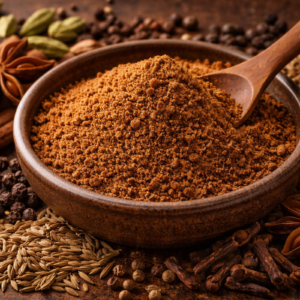
5 Spice Powder is a traditional Chinese seasoning made by blending five aromatic spices that balance the main taste elements—sweet, warm, bitter, sour, and salty. This single blend delivers the signature fragrance you smell in many Asian dishes: roasted meats, dumplings, noodle broths, and stir-fries. The idea behind it is ancient: Create harmony by using a spice blend that represents balance in flavor. It’s one of the most iconic seasonings in Asian cooking.
The 5 Spices Inside the Blend
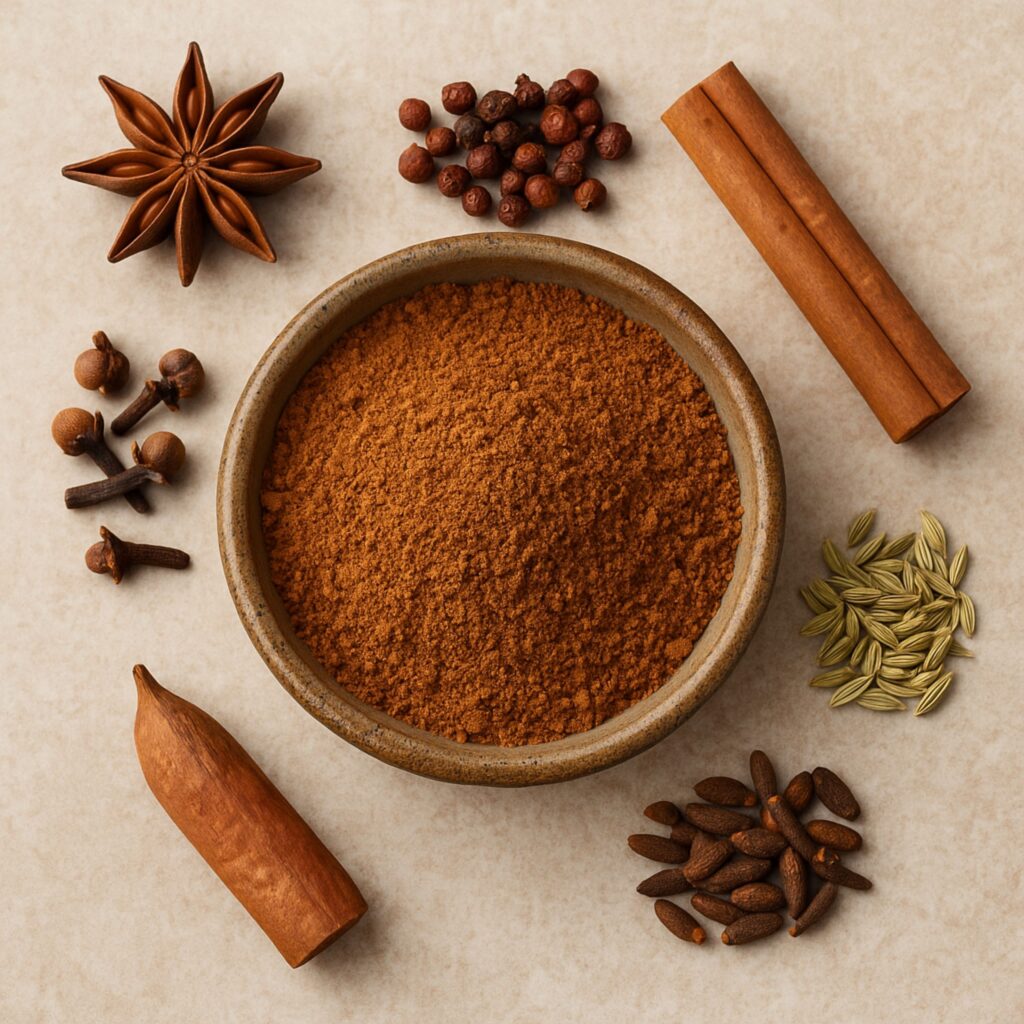
Although recipes can change slightly from region to region, most traditional versions of Chinese 5 spice powder are built from the same five core spices. Each one brings its own personality to the blend.
1. Star Anise 🌟
Star anise is the star-shaped brown pod you often see in spice photos.
Flavor: Warm, sweet, and strongly aromatic with a clear licorice-like note.
Role in the blend: This is the “signature smell” that many people instantly recognize in 5 spice powder. It gives the mix a sweet, exotic fragrance that stands out in roasted meats, soups, and braises.
Fun fact: Even a small amount of star anise can dominate a dish, which is why it’s always used in balance with the other spices.
2. Cloves 🌱
Cloves are the dried flower buds of the clove tree, tiny but powerful.
Flavor: Rich, pungent, slightly sweet, and very warming.
Role in the blend: Cloves add depth and warmth, rounding out the sweetness of star anise and cinnamon. They give 5 spice powder its cozy, almost “holiday” warmth that works beautifully with slow-cooked dishes and marinades.
In cooking: Because cloves are so strong, they help the blend stand up to roasting, grilling, and long simmering without losing flavor.
3. Chinese Cinnamon (Cassia) 🌿
Chinese cinnamon, also known as cassia, is similar to the cinnamon many people use for baking—but stronger and spicier.
Flavor: Sweet, woody, and slightly hot with a more intense bite than regular “Ceylon” cinnamon.
Role in the blend: Cassia forms the sweet, spicy backbone of 5 spice powder. It ties the blend together, giving it warmth and body so it can flavor large cuts of meat, broths, and stir-fries with just a small amount.
Why cassia, not regular cinnamon? Cassia’s stronger flavor survives high heat and long cooking better, which is perfect for roasting and braising.
4. Sichuan Peppercorns ⚡
Despite the name, Sichuan peppercorns are not true pepper. They come from the husk of a prickly ash tree and are famous in Sichuan cuisine.
Flavor: Light, citrusy, and floral with a unique tingling, numbing sensation on the tongue.
Role in the blend: This is what gives 5 spice powder its distinctive “spark”. The tingling sensation helps brighten and lift the heavier, sweeter spices, so the blend doesn’t taste flat or one-dimensional.
In Chinese cooking: That gentle numbing effect is often paired with chili heat in Sichuan dishes, but even without chili, it makes meats and sauces feel more vibrant and interesting.
5. Fennel Seeds 🌾
Fennel seeds are small greenish seeds with a naturally sweet aroma.
Flavor: Mildly sweet, earthy, and slightly herbal with a soft hint of licorice.
Role in the blend: Fennel acts as the balancer. It softens the sharpness of Sichuan peppercorns and cloves, supports the sweetness of star anise and cassia, and adds a fresh, clean finish.
In the overall blend: Without fennel, the mix could feel too heavy. With fennel, the flavor becomes more rounded, gentle, and enjoyable.
How These Five Work Together
When you combine these spices in the right ratio, you get a seasoning that is:
Sweet – from star anise, fennel, and cinnamon
Spicy & warm – from cloves and cassia
Aromatic – from all five working together
Slightly citrusy & tingly – from Sichuan peppercorns
The result is a powder that is deeply fragrant, balanced, and complex, even though it’s made from just five ingredients.
Each spice has a role:
- Star anise and cassia provide sweetness and warmth.
- Cloves add depth and intensity.
- Sichuan peppercorns bring brightness and a tingling edge.
- Fennel smooths everything out and keeps the blend from becoming too heavy.
That harmony is exactly why it’s called “5 spice powder” not just because there are five spices, but because together they create a balanced, five part flavor experience in every pinch.
Where Did 5 Spice Powder Come From? (Origin)
5 spice powder is believed to have originated in ancient China. The concept of balancing five main elements earth, metal, water, wood, and fire—is part of traditional Chinese culture.
Chefs created a blend that represents the harmony of flavors:
- Sweet
- Sour
- Bitter
- Umami
- Spicy
It became a staple in Chinese kitchens and spread across Asia over centuries.
Today, you’ll find it widely used in:
- China
- Taiwan
- Vietnam
- Hong Kong
- Singapore
- Malaysia
- And increasingly in Western kitchens too.
How Is 5 Spice Powder Used in Cooking?
This is where the magic happens!
5 spice powder is extremely versatile. You can use it in:
1. Marinades for Meat
Perfect for:
- Chicken
- Pork
- Duck
- Beef
- Ribs
2. Stir-Fries
Add a pinch to:
- Vegetables
- Fried rice
- Noodles
3. Soups & Broths
In Vietnamese, Chinese, and Thai cooking, it’s often used in slow-cooked broths.
4. Baking and Desserts
Yes—desserts! It works well in:
- Cookies
- Cakes
- Muffins
- Spiced drinks
5. Seasoning Mixes
It’s often added to:
- Dry rubs
- BBQ blends
- Seasoned salts
- Instant noodle flavor packets
6. Tofu & Plant-Based Cooking
A great seasoning for:
- Tofu
- Mushrooms
- Cauliflower
- Jackfruit
Simple Homemade 5 Spice Powder Recipe
Making your own 5 spice powder at home is surprisingly easy and the flavor is fresher, stronger, and more fragrant than any store-bought version. Here’s a simple step-by-step recipe you can follow even if you’ve never blended spices before.
Use whole spices for the best aroma.
- 1 tbsp star anise (broken into smaller pieces)
- 1 tbsp whole cloves
- 1 tbsp Chinese cinnamon (cassia bark)
- 1 tbsp fennel seeds
- 1 tbsp Sichuan peppercorns
This ratio creates a well-balanced, traditional 5 spice blend. You can scale the amounts up or down—just keep the proportions equal.
1. Measure the whole spices
Place all the spices on a plate and make sure:
- They’re clean
- No stones or debris
- No overly old spices (they lose aroma)
- Fresh spices make a huge difference.
2. Lightly toast the spices (important!)
- Heat a dry pan over medium-low heat.
- Add the spices and toast for 2–3 minutes, stirring or shaking the pan gently.
- You’ll know they’re ready when:
- They become fragrant
- You hear a slight crackle
- The color deepens slightly
- Do not burn them—burnt spices become bitter.
3. Let them cool completely
- Spread the toasted spices on a plate and allow them to cool for 5–10 minutes.
- Grinding warm spices traps moisture and leads to clumping.
4. Grind into a fine powder
Use one of these:
- A spice grinder
- A clean coffee grinder
- A mortar and pestle (takes longer but works)
- Grind until you get a smooth, even powder.
If needed, sift the powder and re-grind the larger pieces.
5. Store properly
Transfer the powder into:
- An airtight glass jar (best)
- A tightly sealed container
- Store in a cool, dark place away from sunlight.
The flavor will stay for 12–18 months.